AI Jewelry Photography with True Product Fidelity
Packshots, on-model visuals and campaign imagery for jewelry brands — engineered, not generated. Your piece stays your piece.
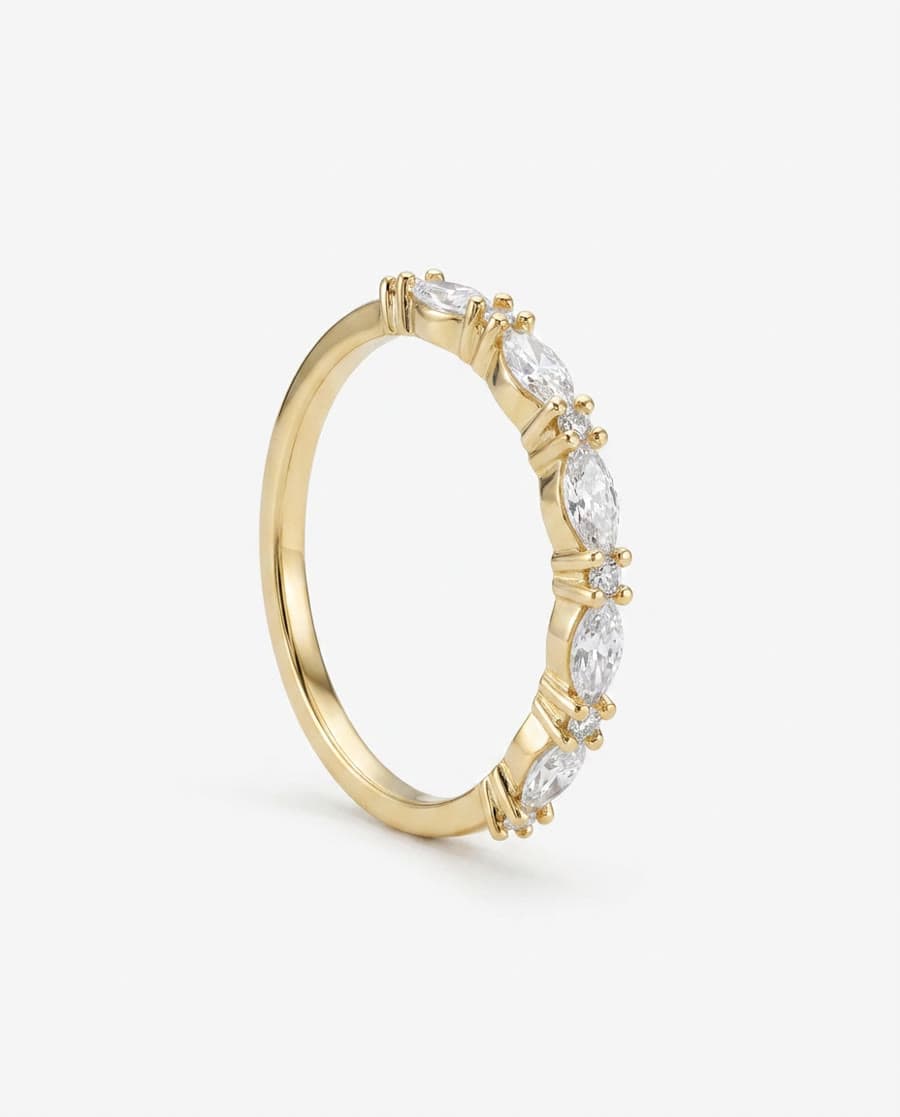
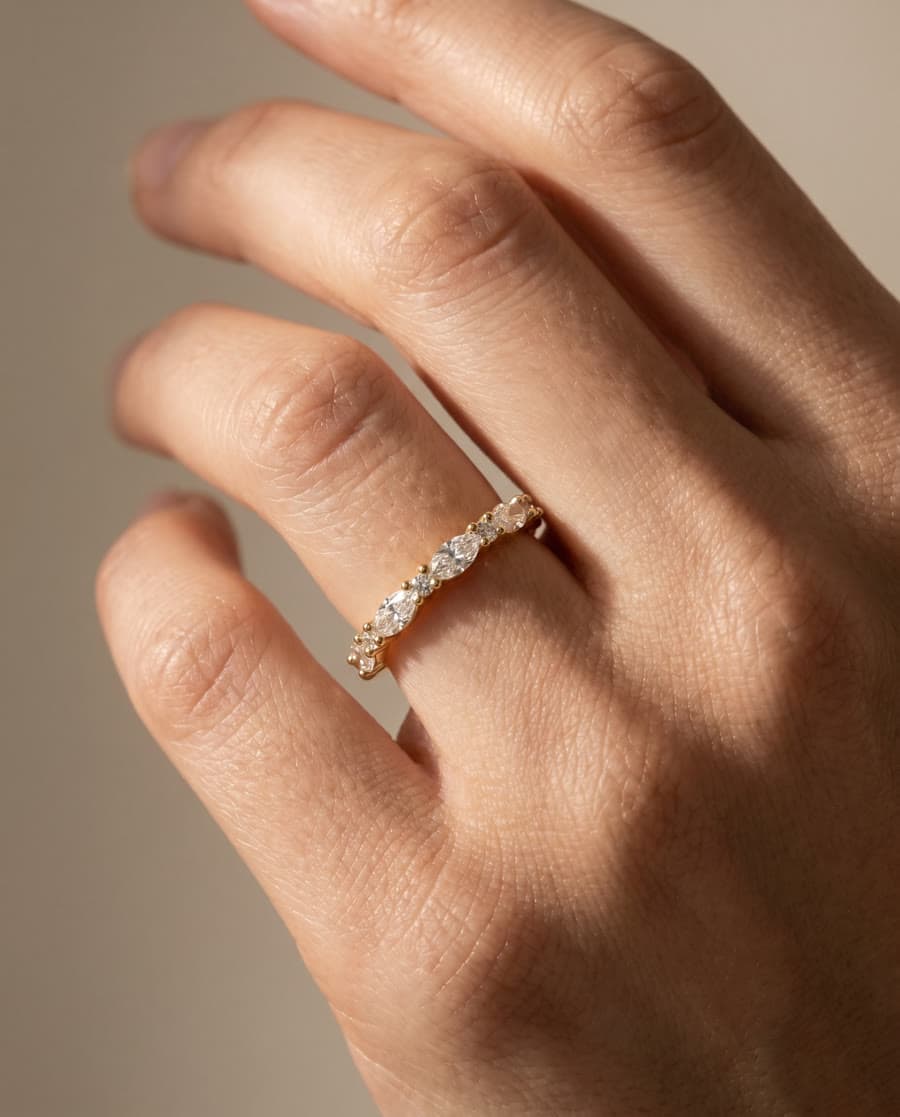
Jewelry is the hardest product AI can photograph
Most AI imagery fails jewelry quietly. The picture looks beautiful — and the piece is wrong.
A clasp that doesn’t exist. A stone that moved. Prongs that multiplied. Gold that drifted toward brass. Proportions that would never sit on a real wrist. For a fashion brand, close is close enough. For a jewelry brand, close is a returned order and a customer who no longer trusts your photography.
This is why generic AI tools produce beautiful images of jewelry that was never yours.
We built our studio around the opposite standard: the image is only finished when the piece in it could be placed next to the original and survive the comparison.
What “true to product” means here
Luxury becomes believable when every detail behaves correctly.
Metal color and finish — yellow gold stays yellow gold, brushed stays brushed
Stone count, cut, placement and color — nothing added, nothing moved
Clasps, prongs, hinges and links — real construction, not invented hardware
Proportions and scale against the body — a 3 mm stone reads as 3 mm
Reflections and light behavior — metal reflects, stones refract, correctly
Contact and shadow — the piece sits on skin or surface, it doesn't float
Pairs shown as pairs — earrings match, as they do in the box
If a detail fails the check, the image doesn’t ship. This is the difference between AI jewelry photography as a tool and as a studio discipline.
On-model jewelry photography, without the photoshoot
The most persuasive jewelry image is the one on a body — and the most expensive one to produce. Models, studio, retouching, and a new booking every time the collection grows.
Our on-model system replaces the logistics, not the standard. From your product references we build model visuals with clean anatomy, natural poses and believable contact between piece and skin — ears, necks, wrists and hands that hold up under zoom.
One piece, every format it needs:
Packshot — clean, e-commerce ready
On-model — worn, styled, believable
Detail — macro on stone, texture, clasp
Campaign — editorial scene, your visual language
Consistent light, consistent styling, consistent model direction across the entire collection — whether that’s 12 pieces or 1,200.
Product truth, at scale
FIDELITY
Jewelry e-commerce / AI visual system500 products. One visual system. Zero compromise on fidelity. A full e-commerce catalogue rebuilt as consistent, product-faithful imagery — packshots and on-model, one standard across every SKU.
View case study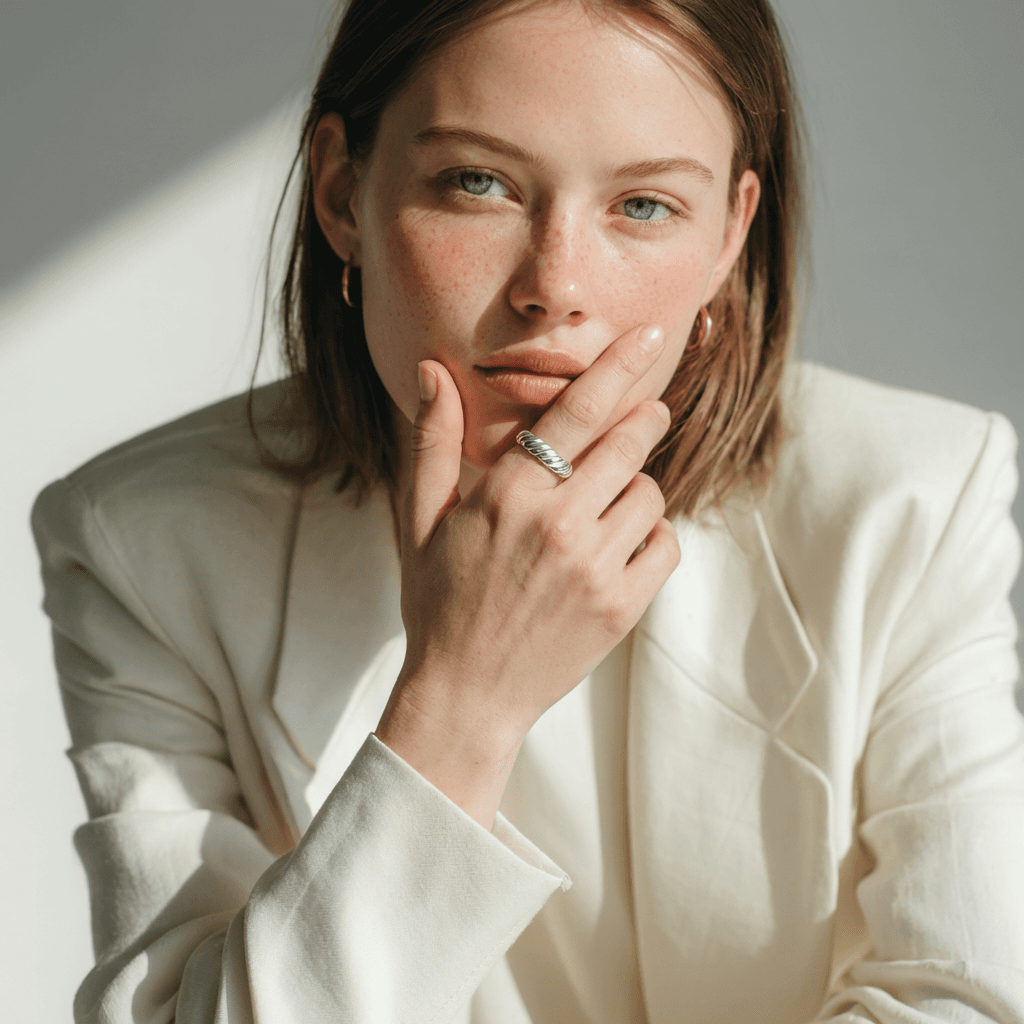
RELIC
Heritage jewelry / EditorialJewelry carries memory before it carries beauty. A visual study in how far editorial atmosphere can go while the piece stays exactly itself.
View case study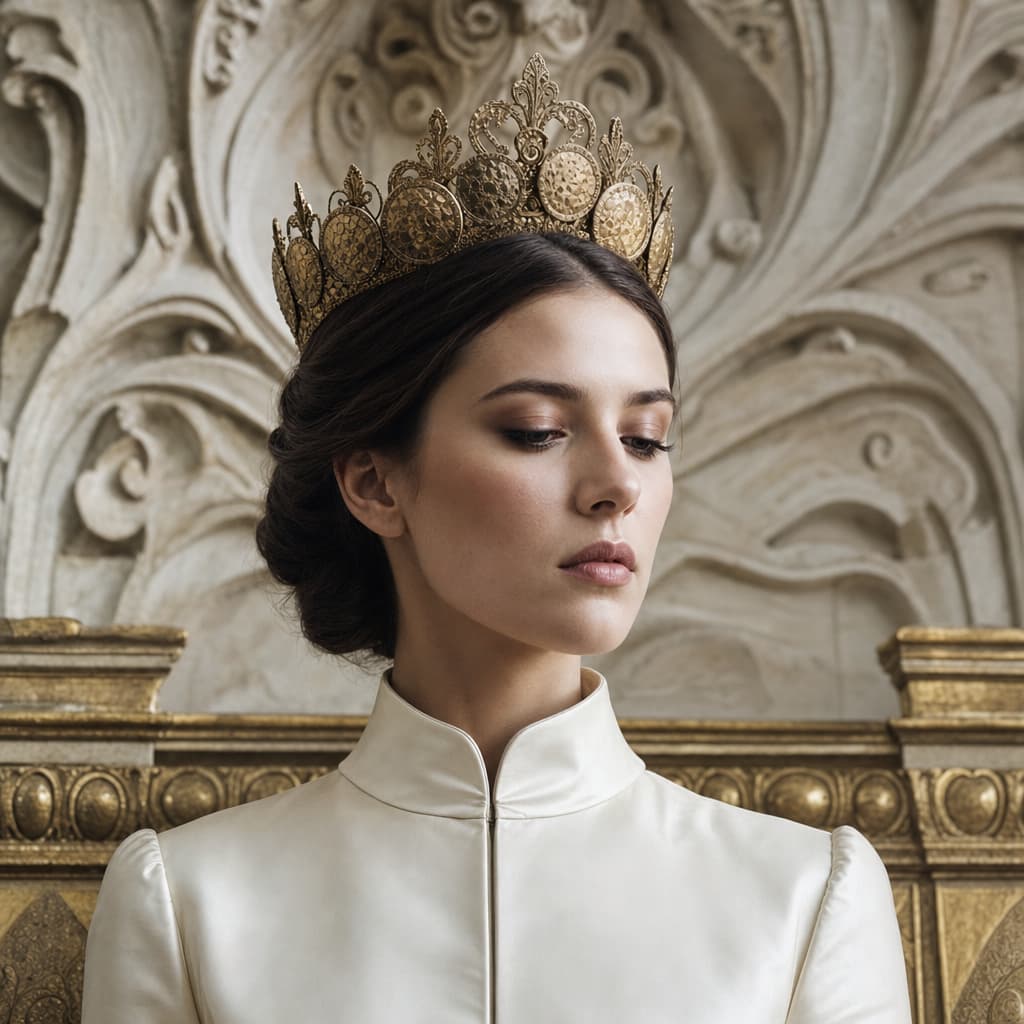
BETWEEN
Jewelry / Architecture / HumanPresence exists between body and space. Campaign-level art direction built entirely in AI.
View case study
Built for brands where the product is the point
- Jewelry e-commerce brands with 50–1,000+ SKUs that need catalogue consistency traditional shoots can't sustain
- Boutique and heritage jewelers who want editorial campaign imagery without campaign production costs
- Brands launching new collections that need packshot, on-model and campaign assets ready on launch day, not three weeks after
- Agencies serving jewelry clients that need a production partner who understands fidelity, not just prompts
If your visuals need to sell a physical object that costs real money, the image cannot be approximately right. That’s the work we take.
How a jewelry project runs
Reference — You send product photos. Phone shots are enough; we need truth, not polish.
Direction — We define the visual language together: light, styling, model, mood. One page, agreed before production.
Engineering — We build the visuals and run every image through the fidelity check.
Delivery — Final assets in every format your channels need — PDP, campaign, social. Revisions included until the piece is right.
Questions jewelry brands ask us
Will the jewelry in the image actually look like my product?
Yes — that's the entire discipline. Every image is checked against your reference piece: metal color, stone placement, construction, proportions. If it doesn't match, it doesn't ship.
How is this different from AI jewelry photography tools?
Tools generate; we engineer. A tool gives you volume and hopes one image is right. We deliver finished, checked visuals with consistent art direction across your whole catalogue — done for you, to a luxury standard.
Can you show earrings, rings and necklaces on models?
Yes. On-model is our core work — ears, hands, necks and wrists with clean anatomy, natural poses and real contact between piece and skin.
What do you need from us to start?
Product references — clean phone photos from a few angles are enough — plus any brand guidelines you have. We handle the rest.
We have 500+ SKUs. Does this scale?
That's where the system earns its name. One visual standard, applied across the full catalogue with consistent light, styling and quality control. See the FIDELITY case study.
Who owns the final images?
You do. Full commercial rights, all delivered assets.